About This Resource
This independent educational resource covers the development of neuro-oncology as a collaborative, multidisciplinary field across the Asian region.
Our aims
The field of neuro-oncology in Asia grew out of a simple set of shared goals — the same goals that motivate brain-tumour clinicians everywhere:
- Standards of care: establishing and promoting high standards for the treatment of patients with tumours affecting the nervous system.
- Education: elevating and sustaining the training of everyone involved in neuro-oncology, from trainees to senior consultants.
- Collaboration: encouraging fellowship, goodwill, and scientific cooperation among physicians and scientists working in the field.
Regional history shows how those aims were pursued — through meetings, shared research, and links between national societies.
A multidisciplinary field
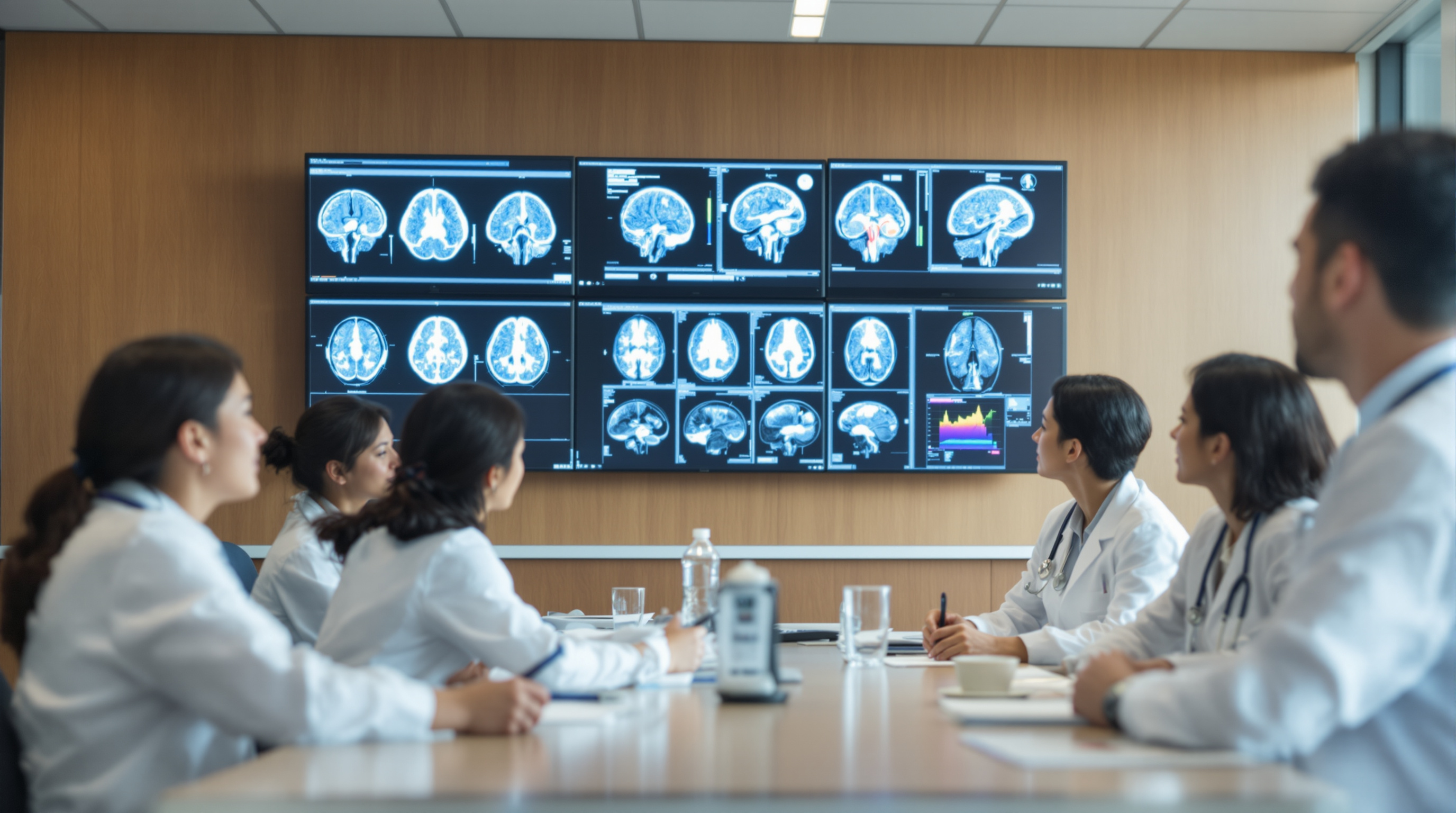
Neuro-oncology is unusual in how many disciplines it draws together. A single patient's care may involve a neurosurgeon, a radiation oncologist, a medical or paediatric oncologist, a neurologist, a neuropathologist, a neuroradiologist, a neuropsychologist, rehabilitation specialists, specialist nurses, and laboratory neuroscientists. The regional community deliberately widened over the years to welcome all of these professions, recognizing that better outcomes come from coordinated, team-based decisions. The European Association of Neuro-Oncology and the Society for Neuro-Oncology describe the same multidisciplinary model in their own missions.
Scope of the resource
We focus on the public, historical, and educational dimensions of the field: the timeline of regional meetings, the national societies that built the network, the peer-reviewed journals that carry its research, and the patient-support organizations that help families. We do not reproduce private membership records, personal contact details, or proprietary materials.
Who this is for
Clinicians and trainees will find a concise orientation to the regional landscape; researchers and historians of medicine will find a sourced timeline; and patients, carers, and students will find plain-language context and links to trustworthy organizations. To understand how the field began, read the history.